
The Room That Never Cools Down
A homeowner in Sullivan Canyon called us last week with a familiar complaint. The living room downstairs felt fine. The primary bedroom upstairs blew air that was only a few degrees cooler than the hallway. The thermostat said the system was running. Warm air from a working system is a different problem than no air at all, and figuring out which one you have determines whether you need a same-day repair or a longer conversation about how the house is zoned.
Warm Air Does Not Always Mean the System Is Broken
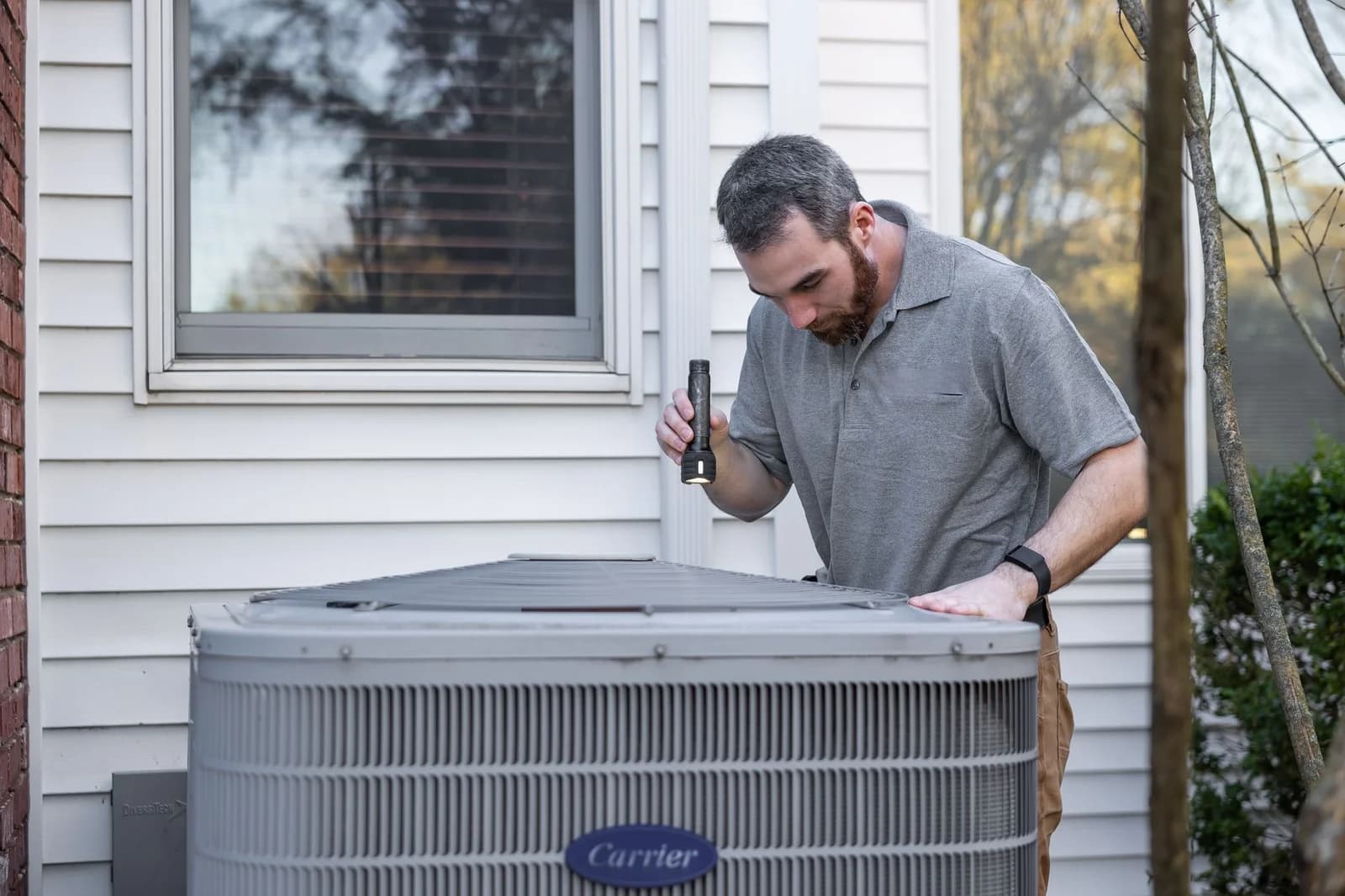
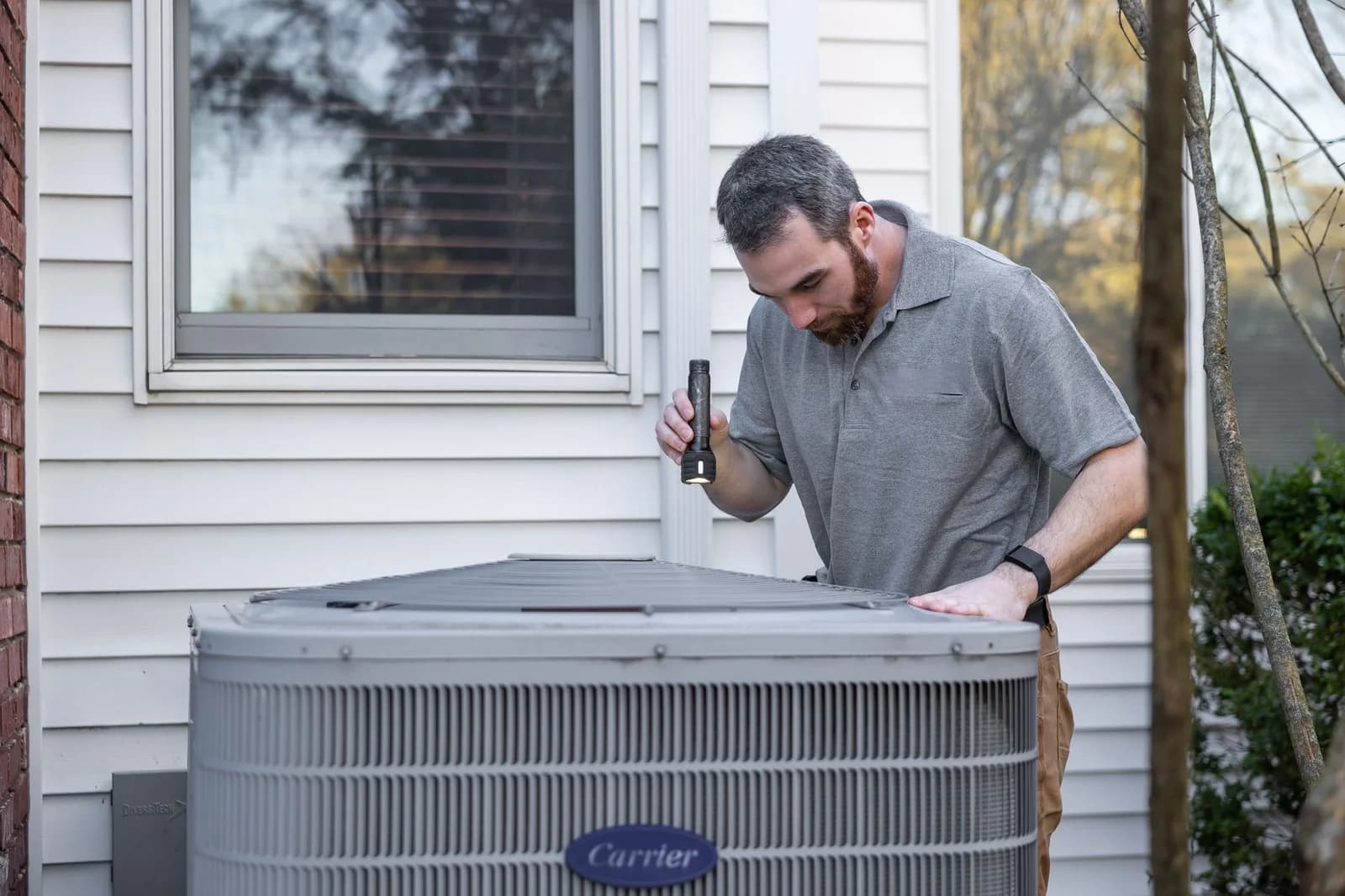
Before anything else, check whether the outdoor compressor is even engaging. If the outdoor unit is running, and air is moving through the vents, but that air feels warm rather than cold, the compressor is working but something between it and the room is failing to remove heat effectively. That's a narrower list of causes than "the AC doesn't work," and it's worth walking through before assuming the whole system needs replacing.
What the Temperature Split Tells a Technician
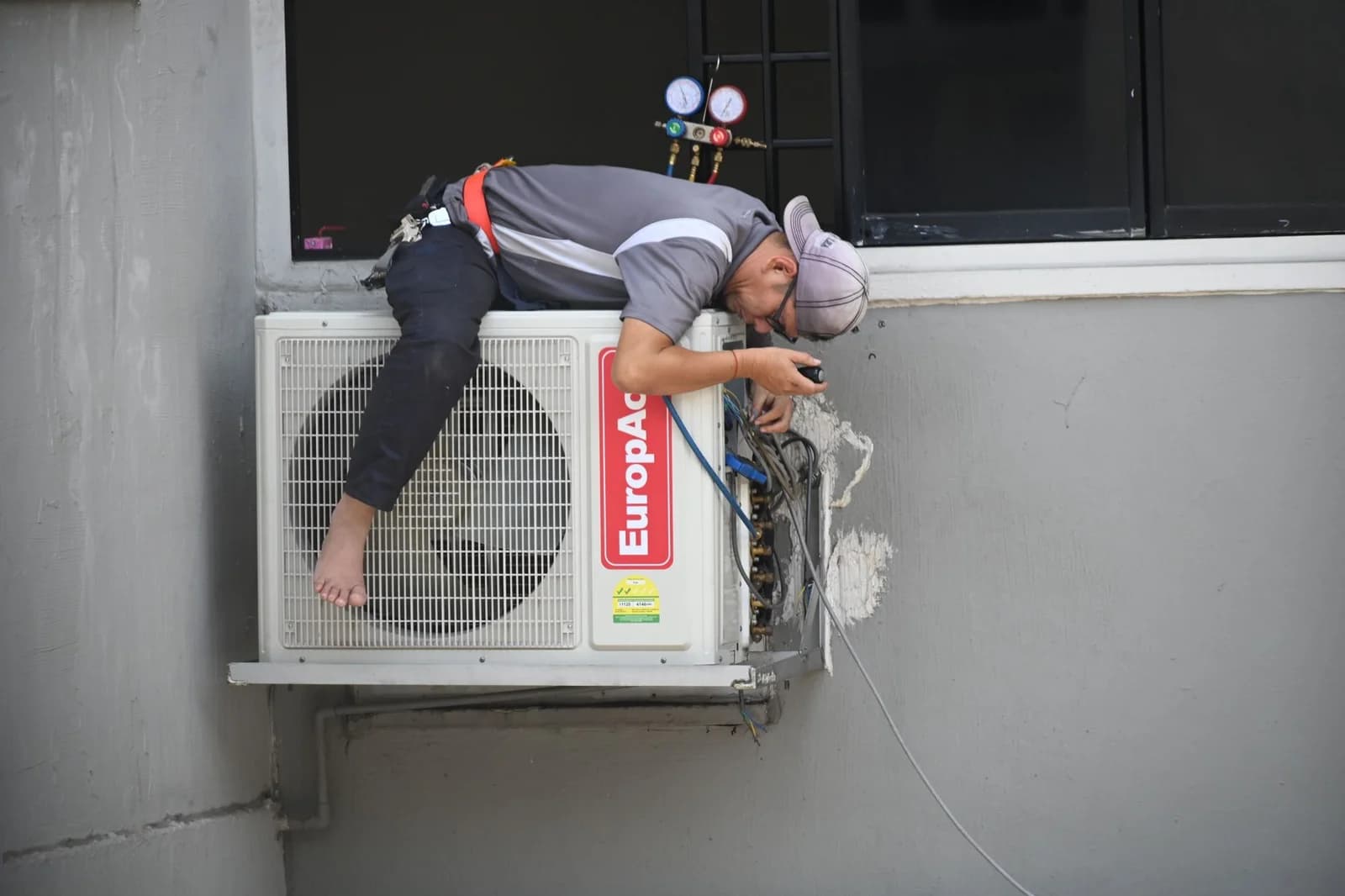
The first thing we check on a warm air call is the temperature split, the difference between the air going into the return and the air coming out of the supply register closest to the air handler. A healthy system should show a meaningful drop between those two numbers. A small split points to a few specific problems: low refrigerant, a dirty evaporator coil, or a blower that isn't moving enough air across the coil to pick up cold from it. A technician measures this in minutes with two thermometers, and it narrows the diagnosis fast instead of guessing.
Refrigerant Level and Why It Rarely Runs Low on Its Own
Refrigerant circulates in a sealed loop. It doesn't get consumed the way fuel does, so a system that's low on refrigerant has a leak somewhere, whether at a coil, a line set connection, or a valve. Low refrigerant reduces the system's ability to pull heat out of indoor air, which shows up as air that's noticeably less cold than it should be, sometimes gradually over a season, sometimes all at once if a fitting fails. Canyon homes in Sullivan Canyon and the wooded parts of Bel Air often have longer line set runs between the outdoor condenser and an air handler serving an upper floor, and a longer run means more connections where a slow leak can start.
Closed or Failing Zone Dampers
In a multi-zone Brentwood home, warm air from a single zone while the rest of the house runs cold usually points somewhere else entirely: the zone damper itself. Multi-zone systems use motorized dampers inside the ductwork to direct airflow to whichever zone is calling for cooling. If a damper for one zone is stuck closed, or its actuator has failed, that zone gets little or no cooled air even though the rest of the system is working correctly. This is common enough in hillside homes with several zones that it's one of the first things we check before assuming a refrigerant problem, since zone damper failures don't require touching the refrigerant system at all.
The Hillside Stack Effect
A lot of Brentwood and Bel Air properties are built on sloped lots, with living space stacked over two or three levels. Warm air rises. In a home with an open stairwell or a great room that spans multiple floors, heat naturally collects on the upper level throughout the day regardless of how hard the system is working downstairs. A single thermostat positioned on the ground floor can read a comfortable temperature and shut the system off while the upper floor, especially west-facing bedrooms above a garage or a canyon-facing glass wall, is still working through a real heat load. This isn't a broken system. It's a system that was never zoned to handle the way heat actually moves through that particular house.
West-Facing Glass Changes the Load Mid-Afternoon
Canyon homes with large expanses of glass facing Sullivan Canyon or the hillsides toward Mandeville pick up a serious heat load in the late afternoon when the sun sits low and hits that glass directly. A zone sized without accounting for that glass falls behind during exactly the hours it matters most, even with a fully functioning system elsewhere in the house. Air coming out of the vent in that room may not be warm exactly, but the room never quite catches down to the setpoint because the load is outpacing what that zone was designed to remove.
A Dirty Coil Cuts Cooling Capacity Without Any Warning Sign
An evaporator coil coated in dust and debris can't transfer heat the way a clean one can. Airflow still moves across it, so the system doesn't necessarily sound different or throw an error, but the air on the other side comes out warmer than it should because the coil isn't pulling as much heat out of it. This tends to develop slowly, which is why homeowners often describe it as the system "not working as well as it used to" rather than a sudden failure.
When Warm Air Signals Something More Urgent
A few patterns are worth calling about the same day rather than waiting:
- - Air that used to be cold and has gotten noticeably warmer over a week or two, which often points to a refrigerant leak that's actively getting worse
- One zone with no airflow at all, not just warm air, which usually means a damper or blower issue rather than a refrigerant problem
- Warm air paired with ice visible on the outdoor unit's refrigerant lines, which is a separate diagnostic path involving airflow restriction
- A hissing or bubbling sound near the outdoor unit, which can indicate an active refrigerant leak
How We Diagnose a Warm Air Call on Site
We start with the temperature split at the nearest supply register, then check refrigerant pressure against the manufacturer's chart for that day's outdoor temperature and humidity. If refrigerant checks out, we move to airflow: coil condition, filter condition, and blower operation. For multi-zone systems, we test each zone damper individually to confirm it's opening and closing on command rather than assuming the zoning system is at fault just because one room runs warm. This order matters because it rules out the expensive possibilities first and avoids recommending a repair that doesn't actually match what's wrong.
Fixes Depend on What's Actually Failing
A refrigerant leak gets located and repaired before the system is recharged, since simply adding refrigerant without fixing the leak means the same problem returns within months. A stuck damper or failed actuator gets replaced, which is usually a same-day fix. A load mismatch from west-facing glass or a hillside stack effect that a single thermostat can't manage on its own sometimes calls for adding a zone, relocating a thermostat, or in some cases resizing equipment for that specific area rather than the whole house. We explain which category your situation falls into before recommending anything, in writing, so you know whether you're looking at a quick repair or a bigger conversation about how the system was designed for your home.
Call Brentwood Air at (877) 702-9609 if a room in your Brentwood, Bel Air, or Sullivan Canyon home is running warmer than it should. We'll measure the actual temperature split before we tell you what's wrong.
Need Professional HVAC Service?
Our HVAC-experienced technicians are ready to help with all your AC and heating needs. Contact Brentwood Air today for expert service throughout the the Brentwood Westside service area.