
One Thermostat, Several Different Temperatures
A single thermostat reading a comfortable temperature doesn't mean every room in a Brentwood or Westside home is actually comfortable. In older homes especially, one room can run several degrees warmer or cooler than the room next to it, and that gap usually comes down to a handful of specific, diagnosable causes rather than a system that's simply old or not working right.
Start by Ruling Out a Closed or Damaged Damper
If your home has any zoning, even simple manual dampers rather than a full multi-zone system, the first thing to check is whether a damper serving the uneven room is actually open. This sounds basic, but a damper that got bumped closed during other work in an attic or crawl space, or one whose actuator has failed in a multi-zone system, produces exactly this symptom: one room or zone running noticeably different from the rest of the house.
Duct Length and Airflow Balance
In a home with a long duct run to a room farthest from the air handler, that room naturally gets less airflow than a room close by, unless the system was balanced correctly when it was installed, or has been rebalanced since. Balancing means adjusting dampers within the duct system so each register delivers roughly the airflow it was designed for, rather than the room closest to the air handler getting more than its share while the farthest room gets whatever's left. This drifts out of balance over years, especially after any duct work, a remodel, or an equipment replacement that didn't include rechecking the original balance.
Duct Leakage at a Specific Run
Not every duct leak affects the whole house evenly. A leak specific to the branch duct serving one room lets conditioned air escape before it reaches that register, while every other room on a different branch is unaffected. This produces a single consistently underperforming room rather than a house-wide problem, and it's one of the more common findings when we test a home reporting one problem room rather than general discomfort throughout.
Insulation Differences Between Rooms
A room over a garage, at the end of the house with more exterior wall exposure, or under an attic section with thinner insulation than the rest of the house loses or gains heat faster than the rooms around it, independent of anything happening in the duct system. This is common in additions built at a different time than the main house, where insulation standards may not match the original construction. In this case, the HVAC system may be delivering the correct airflow, and the room still runs warm or cold because it's losing the battle against the building envelope itself.
Thermostat Location Skews the Whole Picture
A single thermostat represents one point in the house, and every other room is being cooled or heated based on what that one location reads. A thermostat in a hallway with good airflow and no direct sun exposure might read comfortable while a west-facing room down the hall, with more window area and afternoon sun, is well past that same setpoint. This isn't a system malfunction. It's a single-point control trying to represent a house that doesn't heat and cool evenly on its own.
Why Smart Thermostat Data Helps Confirm the Diagnosis
A smart thermostat with room sensors, or data logging on a zoned system, shows runtime and temperature patterns over days and weeks rather than a single snapshot. This turns a vague sense that a room always feels off into an actual pattern: does it run warm every afternoon specifically, or all day regardless of sun exposure, or only under certain zone configurations. That distinction matters because an afternoon-specific pattern points toward solar heat gain through glass, while an all-day pattern points more toward a duct or insulation issue that doesn't care what time it is.
What We Check During an Uneven Temperature Diagnostic
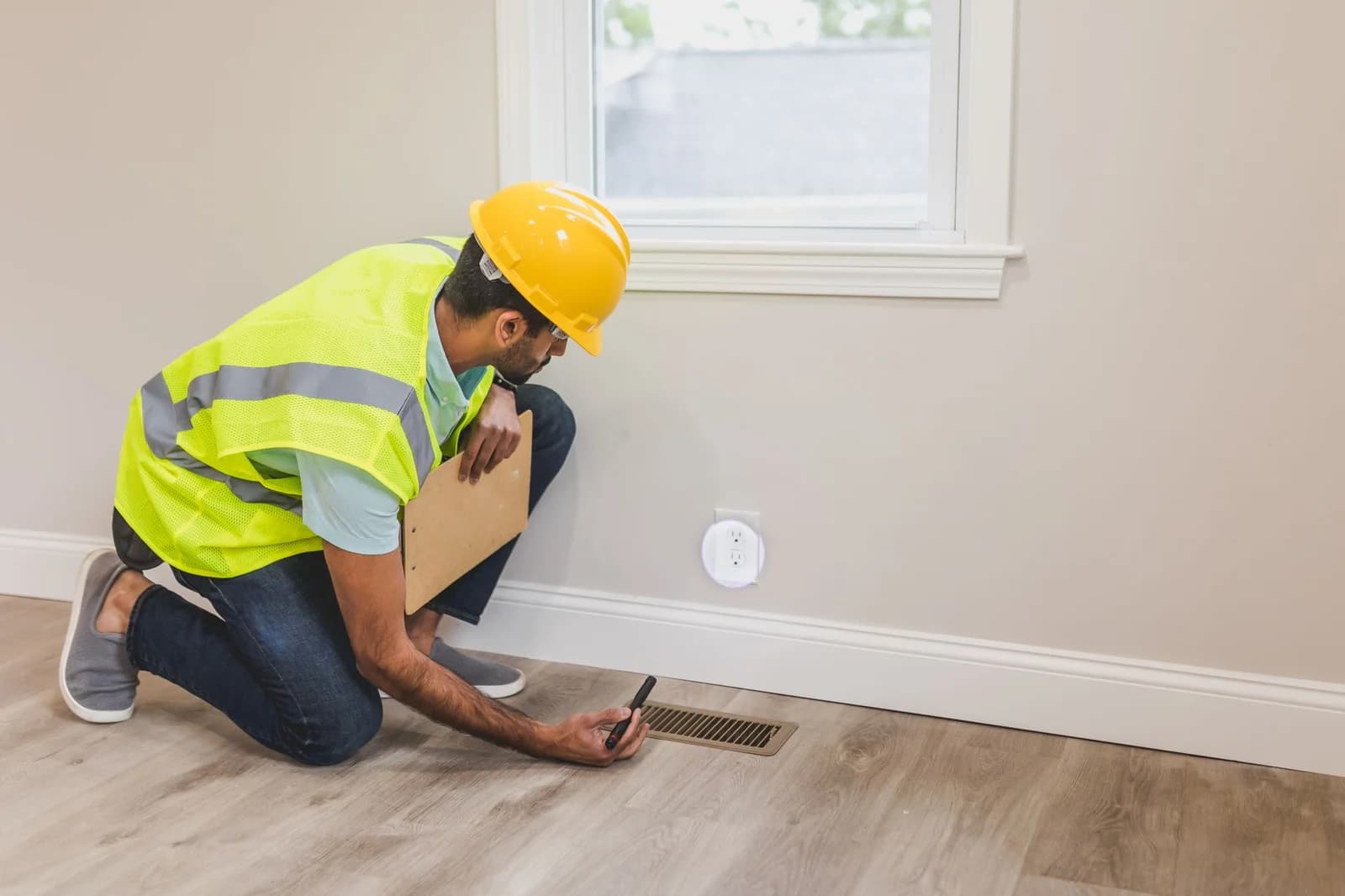
- - Airflow measured at the register serving the problem room compared to others on the same system
- Duct leakage testing on the specific branch serving that room, not just the main trunk
- Damper position and condition, manual or motorized
- Thermostat location relative to sun exposure and airflow
- Insulation condition in the specific area, if airflow and duct sealing check out fine
- Historical runtime data if a smart thermostat or zoning system has been logging it
When the Fix Is Airflow and When It's the Building Itself
If airflow to the room is verified adequate and ducts test tight, the remaining cause is usually the building envelope: insulation, window area, or exterior exposure that the HVAC system alone can't fully compensate for. In that case, the honest answer is that comfort improves in steps rather than all at once, and the more effective fix might involve window treatments, added insulation, or a dedicated zone with its own thermostat rather than expecting the main system's ductwork to solve a structural heat gain problem entirely on its own.
Combining Duct Work and Thermostat Upgrades
For homes where duct leakage and unbalanced airflow are contributing to the uneven temperatures, sealing and rebalancing solve the underlying delivery problem, and a smart thermostat with zone control or room sensors afterward lets you actually see whether the fix worked, rather than going by feel. Doing both together also means the smart thermostat is scheduling and controlling a system that's actually delivering air where it's supposed to go, instead of layering a schedule on top of an imbalance that no thermostat can correct on its own.
Multi-Story Homes See This More Often
A two- or three-story Brentwood or Bel Air hillside home has more opportunity for uneven temperatures than a single-level property simply because there's more duct run, more floors competing for the same air handler's output, and more variation in exterior exposure between a ground-floor media room and an upper-floor bedroom under the roofline. This doesn't mean multi-story homes are doomed to permanent temperature swings. It means the diagnostic has to account for floor-to-floor differences rather than assuming a single explanation covers the whole house, and it's part of why we ask which specific room or floor is affected before forming any theory about the cause.
Why This Is Worth Fixing Rather Than Working Around
Homeowners get used to closing a door, running a portable fan, or just accepting that one bedroom is the warm one, especially in a home that's otherwise comfortable. But an unbalanced or leaking duct system doesn't just affect comfort in that one room. It also means the system is working harder overall to compensate, running longer to satisfy a thermostat that isn't representing the whole house accurately, which shows up as higher runtime and higher bills for a problem that a proper diagnostic and a day of duct work can usually resolve.
Getting an Actual Answer Instead of a Guess
If one room in your Brentwood, Santa Monica, or Westwood home consistently runs warmer or colder than the rest of the house, that's diagnosable with airflow measurements and a duct leakage test, not something you have to just live with or solve by closing a door and hoping.
Call Brentwood Air at (877) 702-9609 to get an uneven temperature problem actually diagnosed. We'll measure airflow room by room before recommending a fix.
Need Professional HVAC Service?
Our HVAC-experienced technicians are ready to help with all your AC and heating needs. Contact Brentwood Air today for expert service throughout the the Brentwood Westside service area.