
Reading What a Mini Split Is Telling You
A ductless mini split in a converted garage, a detached guest house, or an addition off the back of a Brentwood or Sullivan Canyon property is a different animal from central air, and it fails differently too. When a client tells us the mini split isn't working, that covers a handful of distinct problems, and the symptom itself, warm air, short cycling, or ice on the unit, usually points to which one before a technician even opens a panel.
Warm Air From the Indoor Head
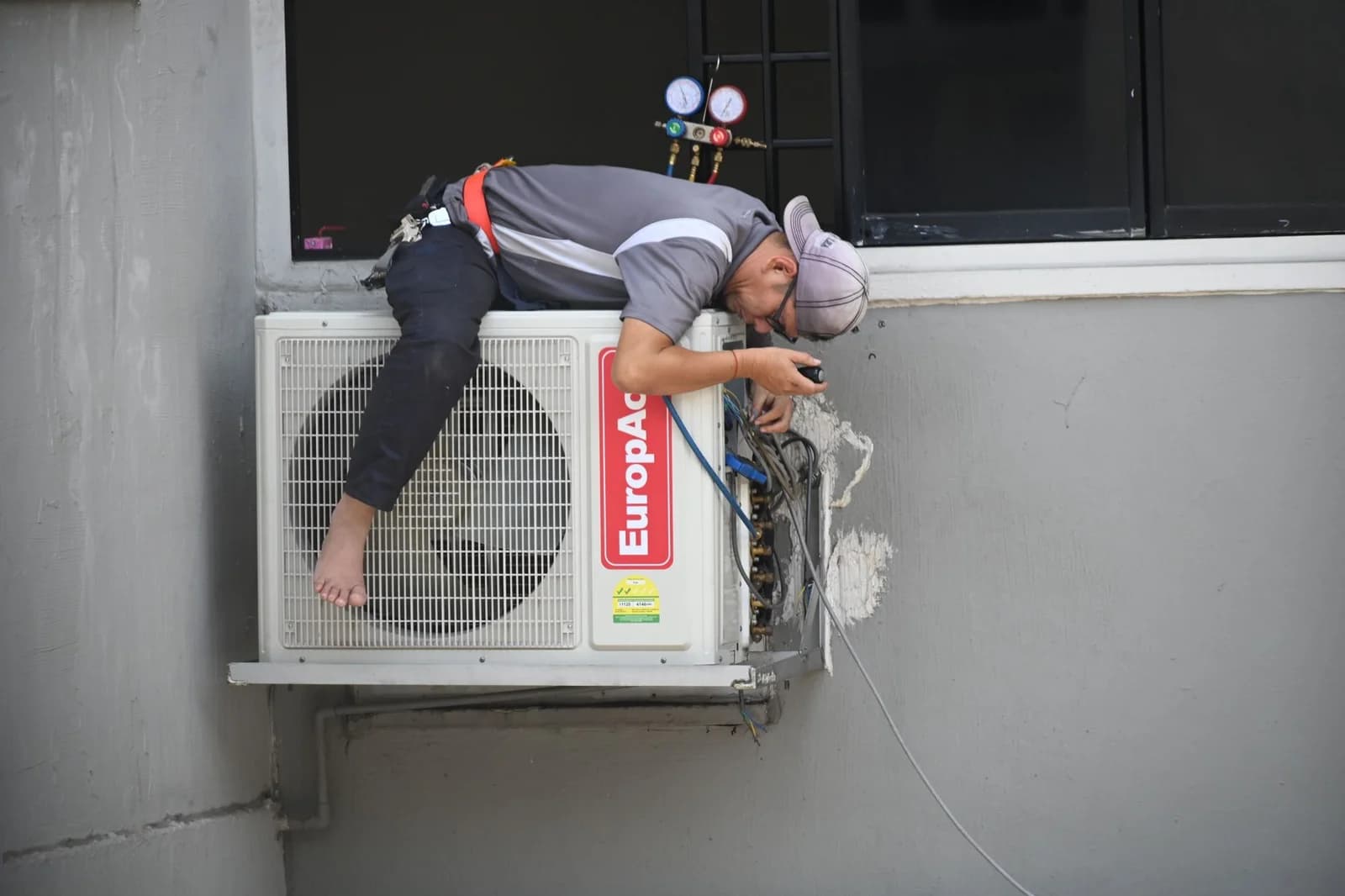
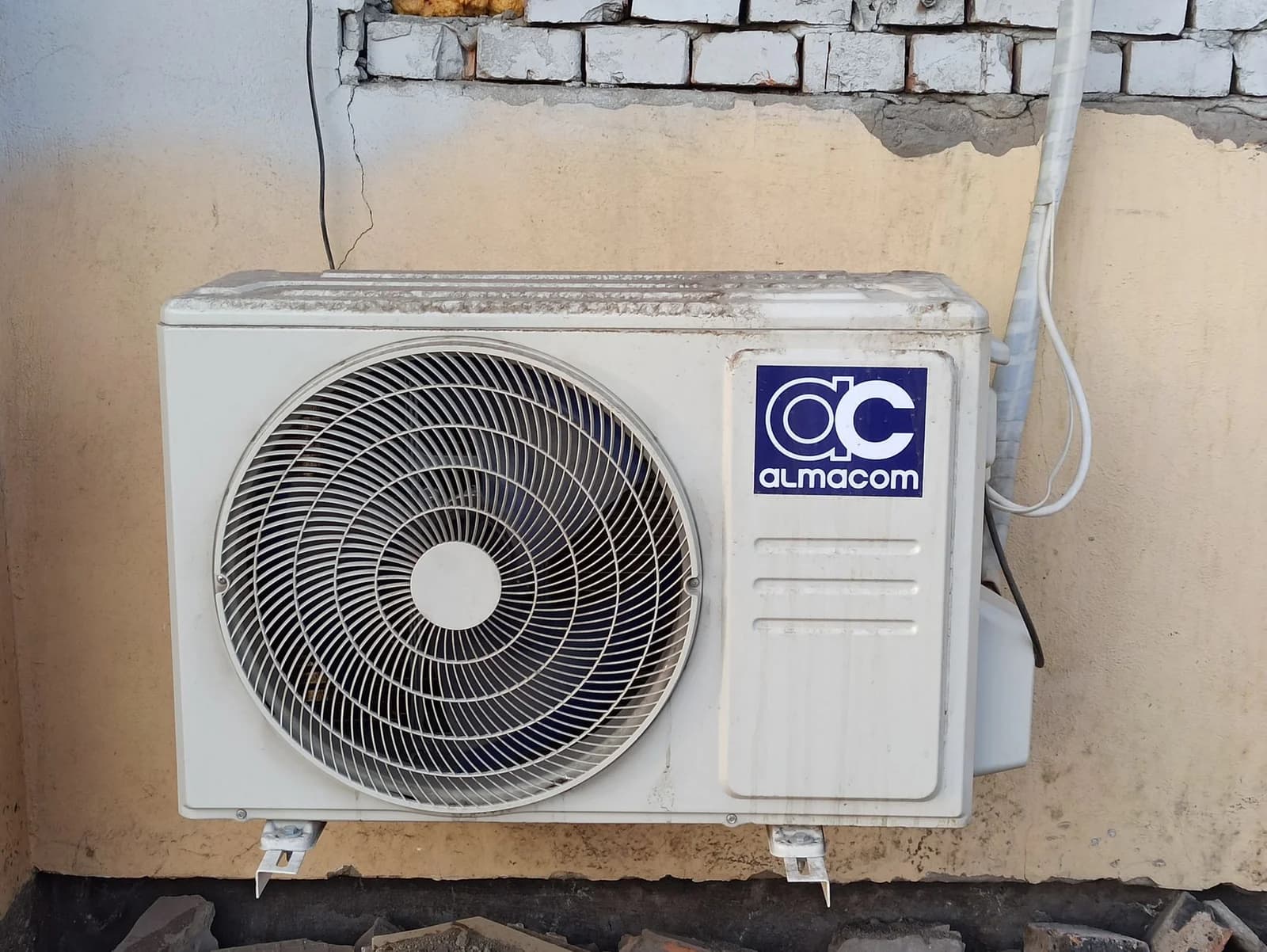
If the indoor head is running, the fan is moving air, but that air isn't cold, start by checking the outdoor unit. If it's not running at all while the indoor head is calling for cooling, that points to a control or electrical fault rather than a refrigerant issue. If the outdoor unit is running and still producing warm air indoors, refrigerant charge is the more likely culprit. Mini splits use a single refrigerant line set connecting one outdoor condenser to one or more indoor heads, and a leak anywhere along that line, often at the flare fittings where the line set connects to each unit, reduces cooling capacity the same way it would in a central system. Line sets on additions and guest houses sometimes run longer distances than a straightforward central install, especially on a canyon lot where the outdoor unit has to sit somewhere that clears HOA visibility rules, and more line length means more fittings and more places a slow leak can start.
A Dirty Indoor Coil or Filter
Mini split indoor units have washable filters that homeowners can pull and rinse themselves, and they need it more often than people expect, especially in a guest house near open canyon where dust and pollen move through more freely than in a sealed-up main house. A clogged filter restricts airflow across the indoor coil, which reduces how much heat the unit can pull out of the room, showing up as air that's not as cold as it used to be, well before the unit fails completely.
Short Cycling in a Mini Split
Most mini splits use an inverter-driven compressor that modulates speed rather than switching fully on and off, which normally means smoother, longer runtimes than a standard single-stage system. When a mini split does short cycle, rapid starting and stopping, it usually points to one of a few things: a refrigerant charge that's off enough to trigger a protective shutdown, a control board sensing an abnormal condition, or in some cases a unit that's oversized for a small guest house room relative to the actual heat load. An inverter-driven mini split that's still cycling hard rather than settling into a steady low output is worth a diagnostic visit rather than assuming it just needs a reset.
Ice on the Indoor or Outdoor Unit
Ice forming on the indoor coil, visible if you remove the front cover, usually means restricted airflow, a dirty filter, a failing indoor fan motor, or low refrigerant, any of which lets the coil get colder than it should and frost over instead of just cooling the air passing across it. Once ice builds up, airflow gets worse, which makes the ice worse, a cycle that ends with little to no cooling coming from the unit at all. Ice on the outdoor unit's refrigerant lines during cooling season points toward a refrigerant charge issue rather than a normal defrost cycle, which only applies when a mini split is running in heating mode during cooler months.
Error Codes Are Worth Writing Down
Most mini split systems display an error code on the indoor head or a small LED blink pattern when something trips a safety control. Before calling, write down or photograph whatever's displayed. It tells a technician roughly which system the unit thinks is failing, refrigerant pressure, a sensor reading out of range, a communication fault between indoor and outdoor units, and can cut real time off a diagnostic visit since it's a starting point rather than a blank slate.
Electrical Circuit Problems Specific to Additions
Mini splits need a dedicated circuit, and guest houses or garage conversions built without that circuit sized correctly from the start sometimes trip a breaker under load, particularly during the hottest part of a summer afternoon when the compressor is working hardest. This looks like the unit simply shutting off rather than a refrigerant or airflow symptom, and checking the breaker and circuit sizing is a basic step before assuming anything more complicated is wrong.
Line Set Routing Issues on Canyon Lots
On a sloped Sullivan Canyon or Bel Air lot, a line set sometimes gets routed along a path that puts it in contact with a retaining wall, buried too shallow, or exposed to more direct sun than a flatter property would require. Over time, this can wear down the line set's insulation, which affects efficiency even before it becomes an outright leak. If a mini split installed a few years back is running noticeably less efficiently than it did when new, and the unit itself checks out fine, we look at the line set's condition and routing as part of the diagnostic.
What We Check on a Mini Split Service Call
- - Refrigerant pressure at the outdoor unit compared to manufacturer specification for current conditions
- Indoor filter and coil condition, and whether ice is present
- Electrical circuit and breaker condition under load
- Any displayed error codes and what they indicate for that specific model
- Line set condition and insulation, particularly on longer runs to detached structures
- Outdoor unit clearance and airflow, since a condenser boxed in too tightly by fencing or landscaping struggles regardless of how well it was installed
Maintenance That Prevents Most of This
A mini split needs less maintenance than a full ducted system, but the maintenance it does need matters. Rinsing the indoor filter every month or two during heavy-use months, especially in a dusty canyon-adjacent property, and having the outdoor coil and refrigerant charge checked annually catches the slow-developing problems, a small leak, a filter that's been neglected, before they turn into a guest house with no cooling the week before company arrives.
One Head Acting Up on a Multi-Head System
Some properties run a single outdoor condenser feeding more than one indoor head, a guest suite bedroom and a sitting area, for example, each on its own control. When only one head on that system is misbehaving while the others cool normally, the outdoor unit and refrigerant charge for the whole system are less likely to be the cause, since a shared charge problem tends to affect every head to some degree. A single underperforming head usually points to something local to that unit: its own filter, its own indoor coil, or a fitting specific to its branch of the line set. Isolating which head is affected, rather than describing the whole system as broken, narrows the visit considerably.
Remote Control and App Settings Can Mimic a Real Fault
Before assuming a mechanical problem, it's worth checking the mode setting on the remote or app. A mini split accidentally left in fan-only mode moves air without cooling it at all, which looks identical to a refrigerant problem from across the room. Scheduled setback programs, and eco or quiet modes that intentionally limit compressor output, can also make a unit seem underpowered when it's actually just following a setting a guest or house manager changed without realizing what it does. This costs nothing to check and rules out a whole category of false alarms before a truck ever needs to roll.
Getting a Mini Split Working Again
If a mini split serving a guest structure or converted room on your property isn't cooling the way it should, the symptom itself, warm air, short cycling, visible ice, or a displayed error code, tells us where to start looking before we ever get on site. This holds whether the unit sits in a Sullivan Canyon guest house, a Bel Air pool house, or a garage conversion closer to Westwood or Santa Monica.
Call Brentwood Air at (877) 702-9609 to get a mini split diagnosed and fixed. Tell us what you're seeing and we'll know what to bring on the truck.
Need Professional HVAC Service?
Our HVAC-experienced technicians are ready to help with all your AC and heating needs. Contact Brentwood Air today for expert service throughout the the Brentwood Westside service area.